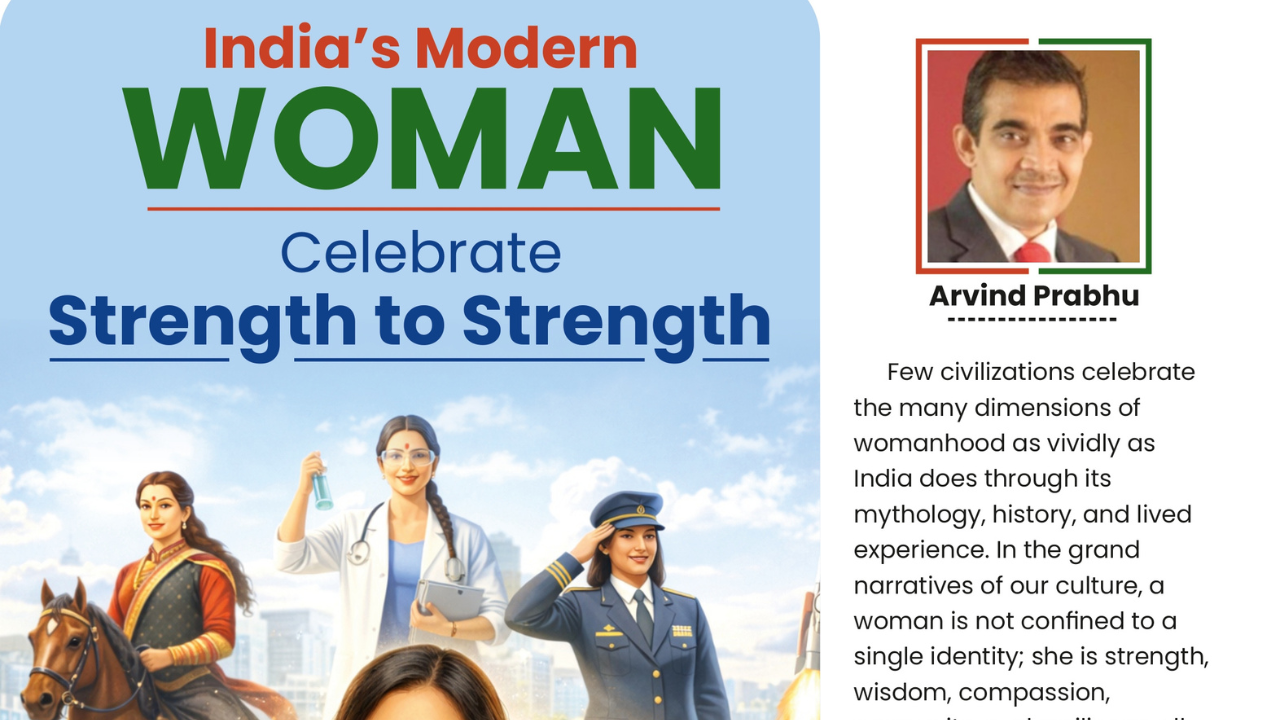
India’s Modern Woman – Celebrate Strength to Strength
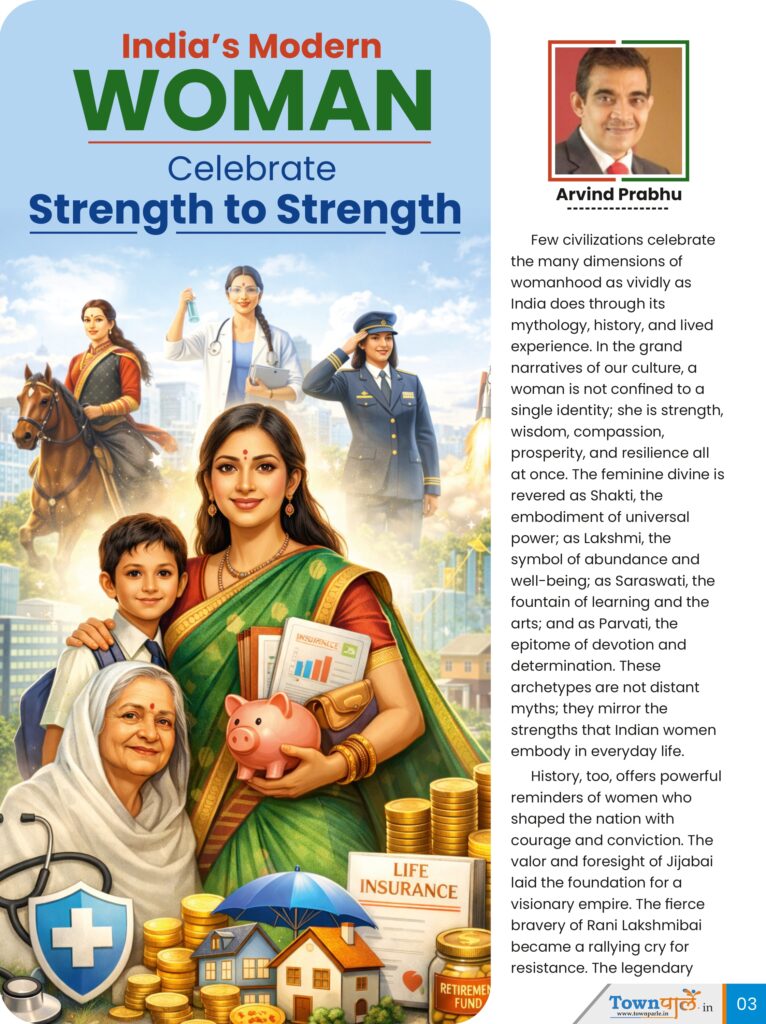
Few civilizations celebrate the many dimensions of womanhood as vividly as India does through its mythology, history, and lived experience. In the grand narratives of our culture, a woman is not confined to a single identity; she is strength, wisdom, compassion, prosperity, and resilience all at once. The feminine divine is revered as Shakti, the embodiment of universal power; as Lakshmi, the symbol of abundance and well-being; as Saraswati, the fountain of learning and the arts; and as Parvati, the epitome of devotion and determination. These archetypes are not distant myths; they mirror the strengths that Indian women embody in everyday life.
History, too, offers powerful reminders of women who shaped the nation with courage and conviction. The valor and foresight of Jijabai laid the foundation for a visionary empire. The fierce bravery of Rani Lakshmibai became a rallying cry for resistance. The legendary sacrifice associated with Rani Padmini continues to inspire tales of honor. Leaders such as Kittur Chennamma, Sarojini Naidu, and Indira Gandhi demonstrated that women could lead movements, shape public discourse, and guide a nation’s destiny.
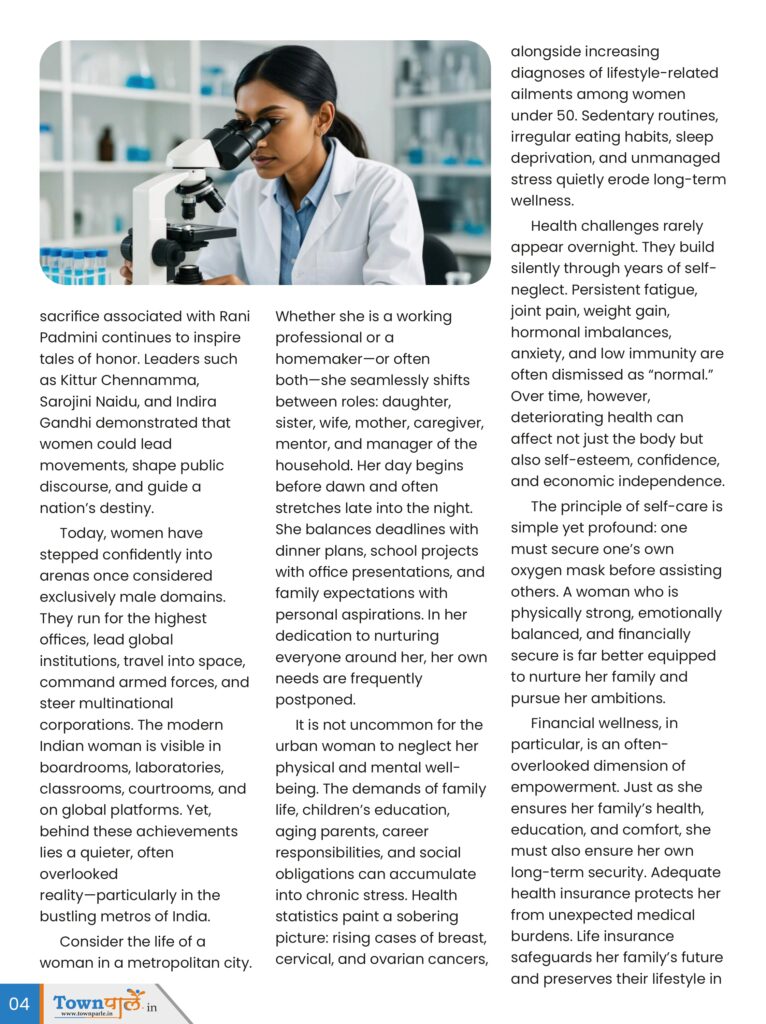
Today, women have stepped confidently into arenas once considered exclusively male domains. They run for the highest offices, lead global institutions, travel into space, command armed forces, and steer multinational corporations. The modern Indian woman is visible in boardrooms, laboratories, classrooms, courtrooms, and on global platforms. Yet, behind these achievements lies a quieter, often overlooked reality—particularly in the bustling metros of India.
Consider the life of a woman in a metropolitan city. Whether she is a working professional or a homemaker—or often both—she seamlessly shifts between roles: daughter, sister, wife, mother, caregiver, mentor, and manager of the household. Her day begins before dawn and often stretches late into the night. She balances deadlines with dinner plans, school projects with office presentations, and family expectations with personal aspirations. In her dedication to nurturing everyone around her, her own needs are frequently postponed.
It is not uncommon for the urban woman to neglect her physical and mental well-being. The demands of family life, children’s education, aging parents, career responsibilities, and social obligations can accumulate into chronic stress. Health statistics paint a sobering picture: rising cases of breast, cervical, and ovarian cancers, alongside increasing diagnoses of lifestyle-related ailments among women under 50. Sedentary routines, irregular eating habits, sleep deprivation, and unmanaged stress quietly erode long-term wellness.
Health challenges rarely appear overnight. They build silently through years of self-neglect. Persistent fatigue, joint pain, weight gain, hormonal imbalances, anxiety, and low immunity are often dismissed as “normal.” Over time, however, deteriorating health can affect not just the body but also self-esteem, confidence, and economic independence.
The principle of self-care is simple yet profound: one must secure one’s own oxygen mask before assisting others. A woman who is physically strong, emotionally balanced, and financially secure is far better equipped to nurture her family and pursue her ambitions.
Financial wellness, in particular, is an often-overlooked dimension of empowerment. Just as she ensures her family’s health, education, and comfort, she must also ensure her own long-term security. Adequate health insurance protects her from unexpected medical burdens. Life insurance safeguards her family’s future and preserves their lifestyle in her absence. Thoughtful investments and retirement planning create a steady income stream for her later years, ensuring independence and dignity.
Financial planning is not merely about money; it is about peace of mind. It is about ensuring that illness does not derail savings, that emergencies do not disrupt children’s aspirations, and that aging does not bring dependence. The earlier this planning begins, the stronger the foundation for confidence and choice.
The advice and plans I suggest for a lady who just got her first job will differ from what I would suggest for someone who has 7-8 years before retirement. Let me share a few general prescriptive tips
- Every woman must ensure that her spouse is insured (in today’s age even 1 cr life cover is small… it should be at least 2-5 crore)
- Women should aim to save at least 20% of their income for their retirement. I recommend plans that are tax free and guaranteed, before investing into market returns.
- Limited year savings plans help plan the number of years of cash outflow.
- Depending on the purpose (goal) choose a plan that returns a lumpsum amount one time or that which yields regular lifetime income.
- Some plans require you to wait for a specific number of years before they start returning the money. Some other plans will start yielding returns from the next year onward.
A sample plan taken by one one working lady age 40 is
Save 5L for 12 years… wait for 5 years and after that earn a tax free income of 9L each year for next 30 years. And then the 60L invested is returned. Again tax free.
Another example of a single mother who took the Savings plan on her child age 3 is:
Save 5L for 12 years… from second year onwards 2L is returned. So effectively from second to 12th year, payment is only 3L per year.
The 2L per year will continue till age 99 of the child… and a corpus of Rs 40 crore is built on the side too.
There are several plans, but as mentioned before, self-medication is dangerous and it is best that an advisor looks in to your current goals and selects the right plan for you.
Preventive healthcare and financial preparedness go hand in hand. Annual medical check-ups—including mammography and recommended screenings—enable early detection. Insurance coverage ensures access to timely, quality treatment without hesitation or delay. Together, they form a shield of protection—physical and financial.
Equally important is emotional support. Words of appreciation and shared responsibility within the family strengthen her resolve. Partners who actively participate in planning finances, managing responsibilities, and celebrating milestones reinforce the idea that empowerment is a shared journey.
Life moves swiftly, and postponing self-care—whether physical or financial—is a risk no woman can afford. She is the cornerstone of her family’s happiness and stability. Recognizing her worth means acknowledging that her health, security, and aspirations matter just as much as those she tirelessly safeguards for others.
This Women’s Day, let us celebrate not only her achievements but also her foresight. Let us honor her strength—and equally, her right to plan, to protect, and to prosper. Because when a woman is secure, her family is secure. And when families are secure, the nation stands stronger.
– Arvind Prabhu