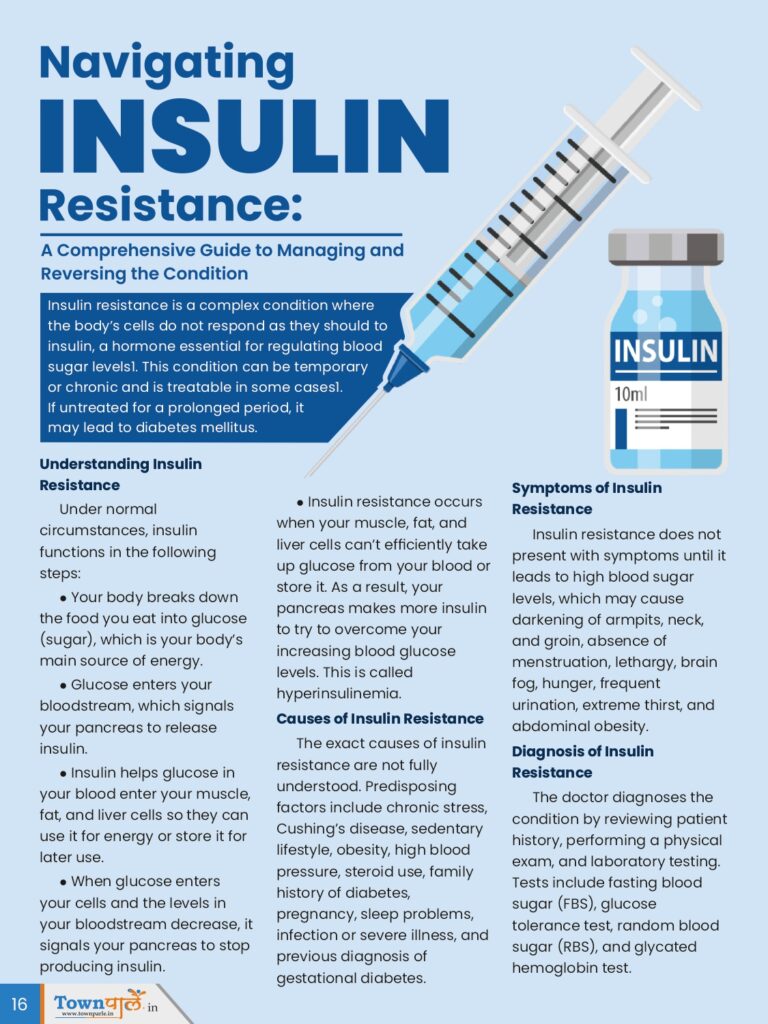
Navigating Insulin Resistance: A Comprehensive Guide to Managing and Reversing the Condition
Insulin resistance is a complex condition where the body’s cells do not respond as they should to insulin, a hormone essential for regulating blood sugar levels1. This condition can be temporary or chronic and is treatable in some cases1. If untreated for a prolonged period, it may lead to diabetes mellitus.
Understanding Insulin Resistance
Under normal circumstances, insulin functions in the following steps:
Your body breaks down the food you eat into glucose (sugar), which is your body’s main source of energy.
Glucose enters your bloodstream, which signals your pancreas to release insulin.
Insulin helps glucose in your blood enter your muscle, fat, and liver cells so they can use it for energy or store it for later use.
When glucose enters your cells and the levels in your bloodstream decrease, it signals your pancreas to stop producing insulin.
Insulin resistance occurs when your muscle, fat, and liver cells can’t efficiently take up glucose from your blood or store it. As a result, your pancreas makes more insulin to try to overcome your increasing blood glucose levels. This is called hyperinsulinemia.
Causes of Insulin Resistance
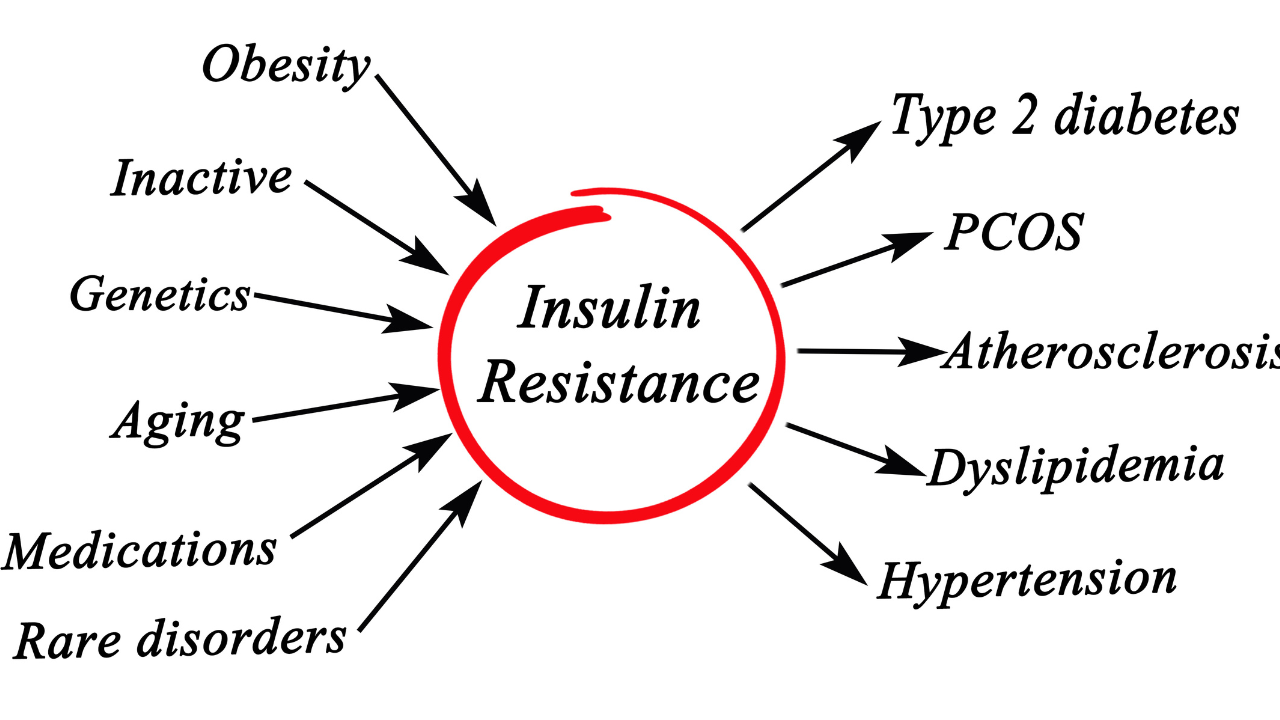
The exact causes of insulin resistance are not fully understood. Predisposing factors include chronic stress, Cushing’s disease, sedentary lifestyle, obesity, high blood pressure, steroid use, family history of diabetes, pregnancy, sleep problems, infection or severe illness, and previous diagnosis of gestational diabetes.
Symptoms of Insulin Resistance
Insulin resistance does not present with symptoms until it leads to high blood sugar levels, which may cause darkening of armpits, neck, and groin, absence of menstruation, lethargy, brain fog, hunger, frequent urination, extreme thirst, and abdominal obesity.
Diagnosis of Insulin Resistance
The doctor diagnoses the condition by reviewing patient history, performing a physical exam, and laboratory testing. Tests include fasting blood sugar (FBS), glucose tolerance test, random blood sugar (RBS), and glycated hemoglobin test.
Treatment Options for Insulin Resistance
Treatment mainly includes self-care practices such as physical exercise and maintaining a healthy weight. Medications like Pioglitazone and Metformin are used to treat diabetes associated with the condition. In severe cases, bariatric surgery is carried out in morbidly obese patients.
Diet and Insulin Resistance
A balanced diet is crucial in managing insulin resistance. Include plenty of fruits and vegetables in your diet. Consume carbohydrates with low glycemic index such as oatmeal and non-starchy vegetables. Avoid refined foods like refined sugars and limit carbohydrates.
Physical Activity and Insulin Resistance
Regular physical exercise for at least 30 minutes a day is advised to improve insulin resistance. This could include swimming, jogging, walking, or brisk walking.
Insulin resistance is a serious condition that requires immediate attention. However, with the right lifestyle changes and medical intervention, it can be managed effectively. Always consult with a healthcare provider before starting any new regimen.
Navigating Insulin Resistance: A Comprehensive Guide to Managing and Reversing the Condition
Insulin resistance is a complex condition where the body’s cells do not respond as they should to insulin, a hormone essential for regulating blood sugar levels1. This condition can be temporary or chronic and is treatable in some cases. If untreated for a prolonged period, it may lead to diabetes mellitus.
Understanding Insulin Resistance
Under normal circumstances, insulin functions in the following steps:
Your body breaks down the food you eat into glucose (sugar), which is your body’s main source of energy.
Glucose enters your bloodstream, which signals your pancreas to release insulin.
Insulin helps glucose in your blood enter your muscle, fat, and liver cells so they can use it for energy or store it for later use.
When glucose enters your cells and the levels in your bloodstream decrease, it signals your pancreas to stop producing insulin.
Insulin resistance occurs when your muscle, fat, and liver cells can’t efficiently take up glucose from your blood or store it. As a result, your pancreas makes more insulin to try to overcome your increasing blood glucose levels. This is called hyperinsulinemia.
Causes of Insulin Resistance
The exact causes of insulin resistance are not fully understood2. Predisposing factors include chronic stress, Cushing’s disease, sedentary lifestyle, obesity, high blood pressure, steroid use, family history of diabetes, pregnancy, sleep problems, infection or severe illness, and previous diagnosis of gestational diabetes.
Symptoms of Insulin Resistance
Insulin resistance does not present with symptoms until it leads to high blood sugar levels, which may cause darkening of armpits, neck, and groin, absence of menstruation, lethargy, brain fog, hunger, frequent urination, extreme thirst, and abdominal obesity.
Diagnosis of Insulin Resistance
The doctor diagnoses the condition by reviewing patient history, performing a physical exam, and laboratory testing. Tests include fasting blood sugar (FBS), glucose tolerance test, random blood sugar (RBS), and glycated hemoglobin test.
Treatment Options for Insulin Resistance
Treatment mainly includes self-care practices such as physical exercise and maintaining a healthy weight. Medications like Pioglitazone and Metformin are used to treat diabetes associated with the condition. In severe cases, bariatric surgery is carried out in morbidly obese patients.
Diet and Insulin Resistance
A balanced diet is crucial in managing insulin resistance. Include plenty of fruits and vegetables in your diet. Consume carbohydrates with low glycemic index such as oatmeal and non-starchy vegetables. Avoid refined foods like refined sugars and limit carbohydrates.
Physical Activity and Insulin Resistance
Regular physical exercise for at least 30 minutes a day is advised to improve insulin resistance. This could include swimming, jogging, walking, or brisk walking.
Insulin resistance is a serious condition that requires immediate attention. However, with the right lifestyle changes and medical intervention, it can be managed effectively. Always consult with a healthcare provider before starting any new regimen.
We’re considering starting a health Q&A section on TownParle.in! Have health questions? We might be able to help! We’re exploring the possibility of answering your queries through Vile Parle-based experts like diabetologists, dieticians, specialized doctors, and fitness coaches. Stay tuned for updates, and if you have questions, we’d love to hear them!
Share your questions on: townparle@gmail.com