
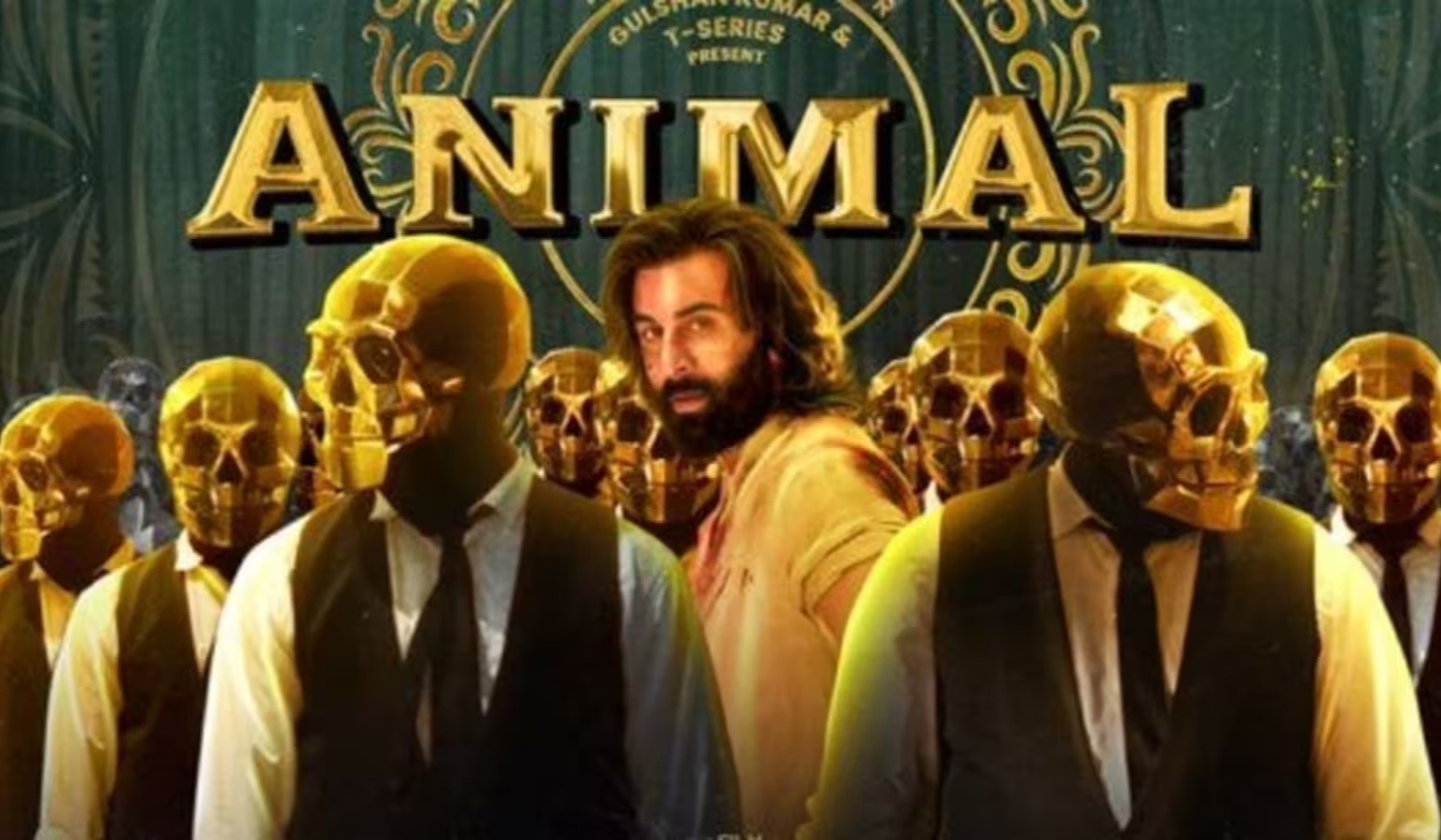
Sandeep Vanga’s Animal breaks parental illusions
Have you watched
Bollywood’s latest release – Animal yet ?
Sandeep Reddy Vanga’s movie – Animal has overshadowed space on every content platform since its release. Reason being its cinematic language of violence.
The release has triggered feminist critiques bashing it for overtly-glorifying the male stereotypes and machoism that knows no bounds. Plotted on a beautiful bond of father-and-son love, the drama soon loses its plot to scenes that seem to have made bold for the sake of being bold. The underlying emotion of a child’s need for parental love soon loses its identity to a cinematic language that is complex and unstructured. They call it an animal language. I feel, to be violent is truly not human. Beyond that, everything can be debated.
Violence has been an integral part of the content served across OTT platforms. And why today? It has been a part of movies and other pieces of fiction since yester decades.
Violence has been portrayed for a purpose. This purpose is not charted clearly in Sandeep Vanga’s Animal. A purpose is where a story starts and it is where the story concludes. In work of fiction where the story doesn’t conclude the purpose stated at the beginning, it at least does the job right of leaving its audience contemplate and conclude on their own. Either does not happen in Animal.
While the makers of Animal claim to rip off the clothes of the societal hypocrisy, they have surely presented the harsh reality of the present times to parents and guardians.
A reality that most parents do not realize even exists. The reality of not being able to give time and space to children. The reality of not being able to empower their children to develop the emotional intelligence quotient. The real struggle of today’s parents is to understand the rapidly reducing emotional bandwidth of their children, who have exposure through sources unimaginable.
Violence, presented glamorously and stereotypically in Animal, is actually staring hard in our eyes through a lot of other mediums accessible at a click.
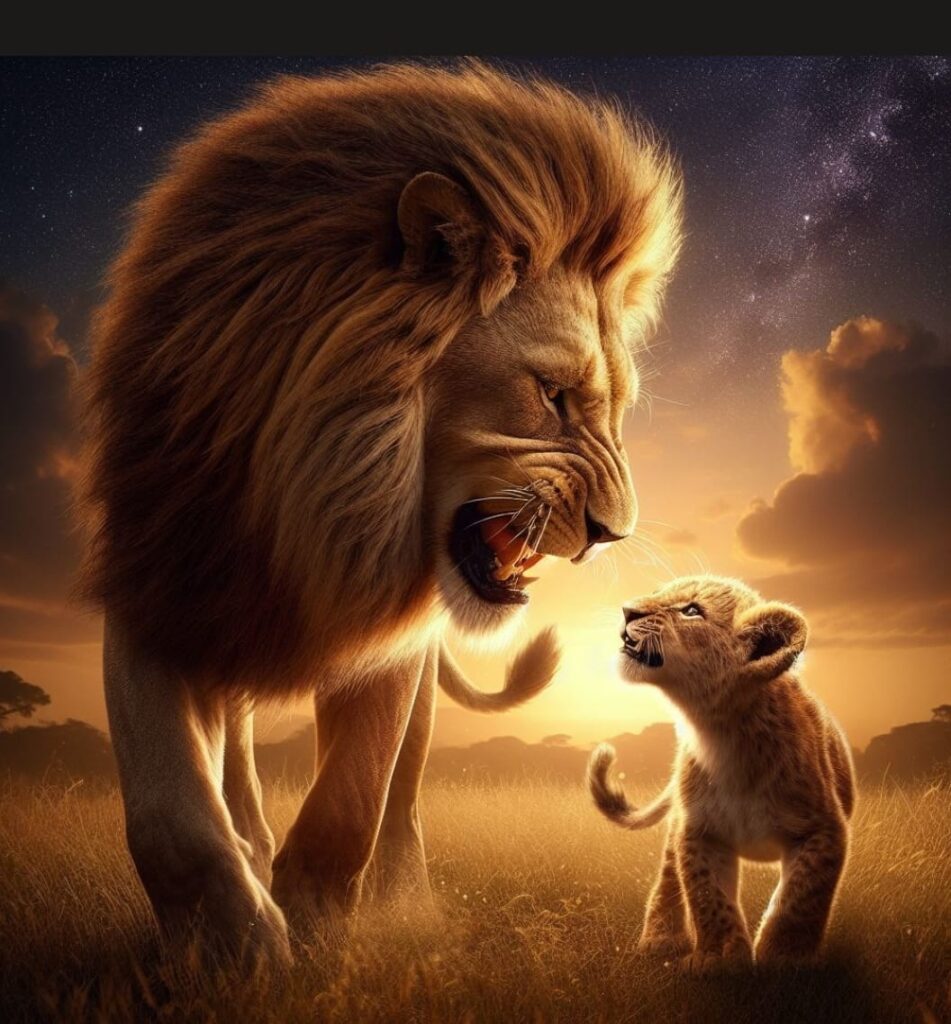
The “parent-and-child-only space” is rapidly reducing due to the fast paced, ever-available work lives of parents. As the parents struggle to spend quality time and engage in quality conversations with their children, the gap between them increases. This vacuum then translates into unresolved blocks of thoughts in the minds of children who have not yet bloomed into mature individuals. The longer these blocks remain unresolved in their mind, higher are the chances of them resorting to situations that a powerful mind never falls prey to. A situation portrayed overwhelmingly in Animal.
While Sandeep Vanga’s Animal has been granted A-Certificate by the Censor Board, the internet is flooded with content of all sorts about it. Are our children not watching it or exposed to it?
Of course, they are.
How do we then protect them from watching it?
Beyond a point, we cannot protect our children from watching it.
But what we can surely do, is to help our children develop ‘emotional intelligence’ or rather the emotional courage to stay away from becoming an Animal.
As a parent, we take great pride in the school that we send our ward to, but developing emotionally-powerful youth is not the responsibility of schools alone. The primary responsibility is that of the parents.
You must be wondering, if violence always existed in movies, why has it become such a big problem now?
It is because of the changing times. Until 1990s, children were raised by a whole village or at least a whole community of people including Aunts, Uncles, Great Aunts and Great Uncles. With time, this circle has reduced to parents alone, and in some cases grandparents.
The challenge is not just about the limited time parents get to spend with their children but it is also about the kind of space they share with their children.
Indulgences-of-a-sort including luxury vacation, fancy food and creating Instagram-able moments is fine. But are we able to create a safe zone for our children where they know no one is watching, no one is judging them, including parents?
Are we able to inculcate in them the need to pause and not do anything?
These are the moments when a child vents out his / her fear, inhibitions and submits. This is the time when they learn to respond and not react. This is the time when we keep them away to remain humans. For the inherent nature of every human is to love.
Animals will come and go, for as long as ‘freedom-of-expression’ exists. Instead of chasing our children to not fall prey to such content, let us empower them to become emotionally powerful beings.
By Ruchi Adlakha Bhaumik
Sandeep Vanga’s Animal breaks parental illusions – Ruchi Adlakha (wordpress.com)