
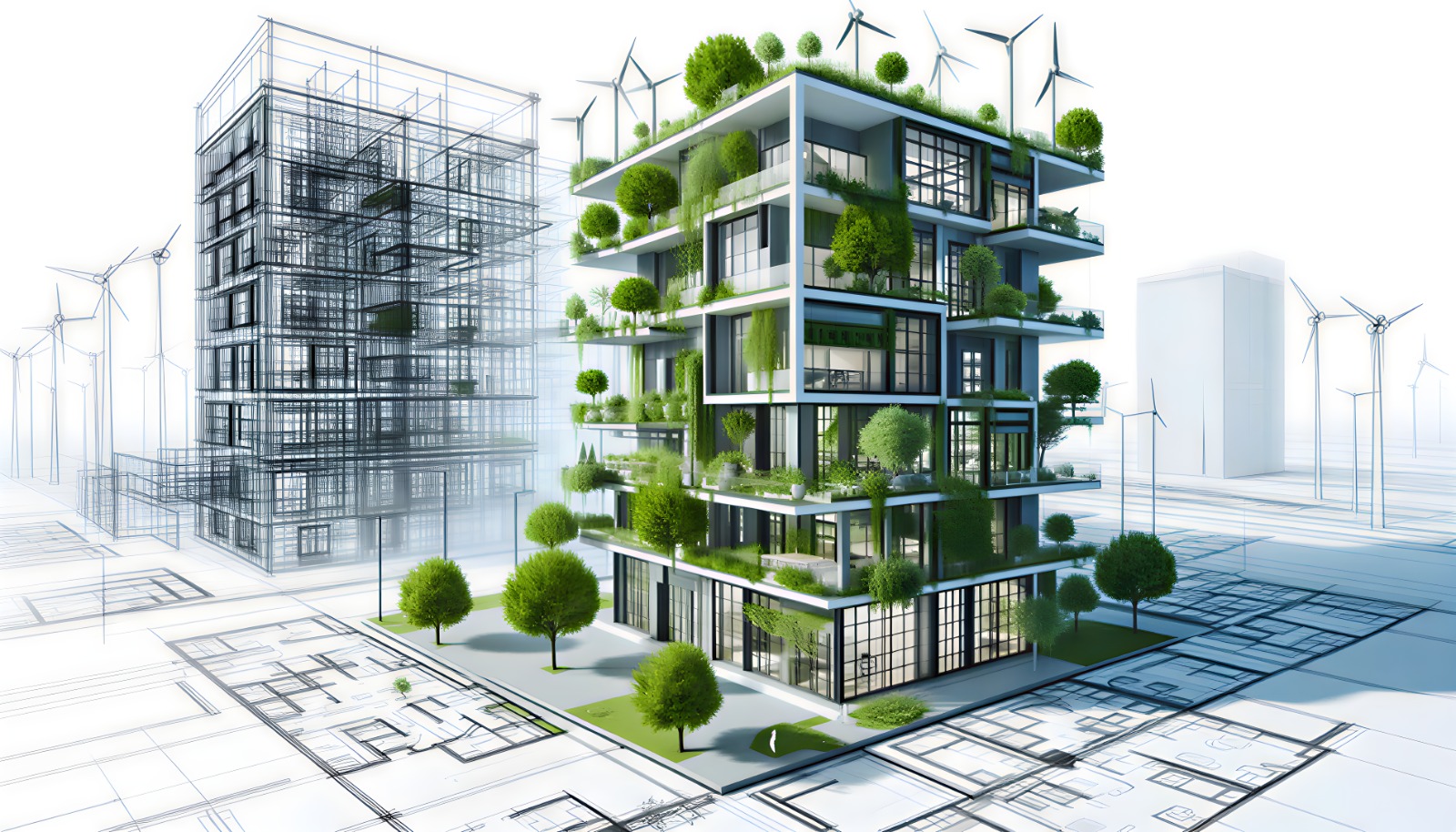
SUSTAINABILITY IN CONSTRUCTION
Relatively in every industry progress has an impact on the environment and if
it is the construction industry, it will be more of a pernicious impact than constructive.
Construction sector may show economic development as a whole but may put up a
dire situation on its surroundings. Any construction related activity involves a lot of
air and noise pollution; wastes generation, water consumption and many more things
that will amplify new levels of energy consumption and overtaxing of resources.
Today most of us are increasingly aware of the sustainable practices that are
conferred on us by the relentless efforts of professional institutions and competent
individuals. Same is applied to the construction industry. Every contribution to create
a sustainable environment is mandatory, and within the construction parameters
Authorities are introducing rain water harvesting, collection and composting of waste,
use of solar panels, planting trees, etc. thus forging a route in making of sustainable
cities.

Construction here becomes a key issue to address projects into a path of
sustainable construction and this demand from construction implies additional efforts
from Architects, Engineers, contractors and everyone associated with construction
business.
We as part of this industry can assist in restricting the impact.
Development to be ascertained only if the structure gives way, Or else
measures to safeguard, strengthen, protect and enhance through repair of the
structure should be taken primarily to increase its life span. Even if development has
to happen then materials should be sourced locally. This will not only reduce logistics
and time but will also be a saver on operational costs but also narrow down the
impact on its habitat.
Waste generated from the dilapidation or construction site, to be disposed of
to the closest vicinity as possible. Developer can reuse used materials like timber
frames, reused melted steel and cement concrete as back fillers to cut down material
costs in construction works. Use of ecofriendly materials like geopolymer can be
explored in foundations, bridges, tunnels.
Architects too need to know their fair share in supporting to the sustainable
cause. A reasonably good plan will be the one that stresses on naturally lit and
ventilated rooms thus bringing down energy consumption tremendously. Advocating
use of locally available materials, promoting of solar panels, making recharge pits for
water collection and employing the same for utility, making use of green corners to
enhance the soothing nature of any premise are few measures taken by an
Architect.
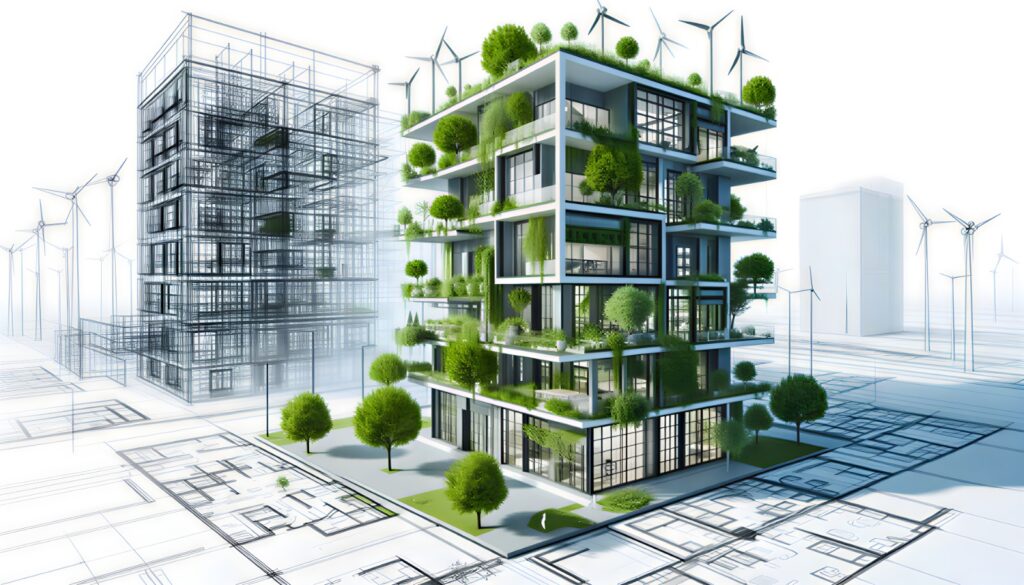
Sustainability not only means using organic materials but it means by and
large the steps taken in to minimize the adverse impact one creates on the eco
system. It means to depend less on manmade energy, less consumption and
wastage, reusing rather than discarding, repairing and repurposing materials and
keeping the natural resources intact.
Only a holistic approach will be responsible in expediting in achieving
sustainable goals. If we practice mindfully in maintaining the resource management
in this field of construction, then definitely a balance in ecology and social needs will
be ensured in the near future.
Probably seeing through a human lens, emphasizing on real world thinking and
harsh steps towards implementation would be the take away in bringing together
sustainability in this monetary world.
Ar. Rashmi Phulkar