
Nutritional Significance of Navaratri Upavas: Embracing Health Through Traditional Fasting
Navaratri, a spiritual odyssey marked by devotion, is also a journey toward holistic health. Fasting, or ‘upavas,’ observed during Navaratri, is more than a religious practice; it’s a scientifically-proven method to detoxify and rejuvenate the body. This article explores the nutritional aspects of traditional Navaratri fasting, spotlighting the significance of specific food items consumed and the rationale behind this practice from both dietitians’ and nutritionists’ perspectives.
Why Observe Navaratri Upavas:
Spiritual Detoxification:
Navaratri fasting acts as a purification ritual for both body and soul. By abstaining from specific foods, individuals allow their digestive systems to reset, encouraging the elimination of toxins and promoting overall health.
Harmonizing with Nature:
Navaratri coincides with the seasonal shift from monsoon to autumn. Fasting during this time helps the body adapt to changing weather patterns, enhancing immunity and fortifying against seasonal illnesses.
Nutritional Benefits of Upavas Food Items:
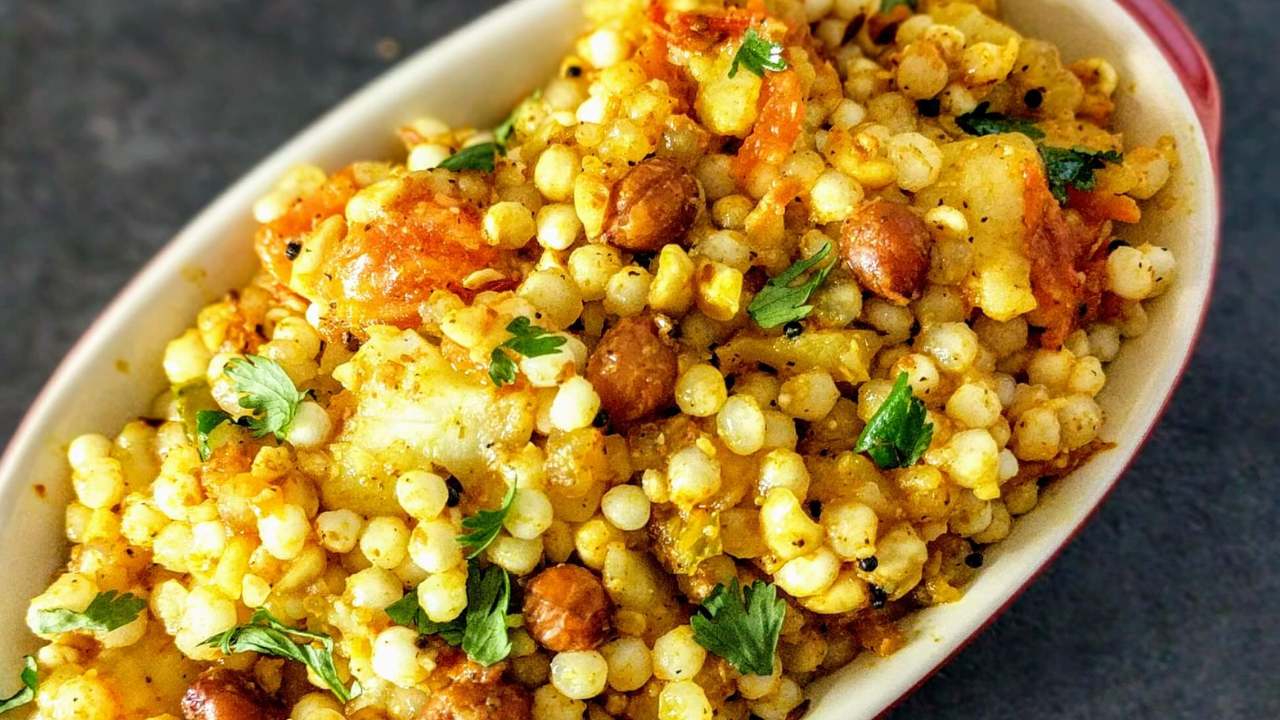
Sabudana (Tapioca Pearls):
Nutritional Value: Rich in carbohydrates, low in fat, instant source of energy.
Dietitian’s Perspective: Sabudana prevents energy crashes, ensuring a steady release of glucose, and assists in maintaining stable blood sugar levels.
Nutritionist’s Insight: Abundant in iron and calcium, it promotes bone health and prevents anemia, supporting overall vitality.
Singhara (Water Chestnut) Flour:
Nutritional Value: Low in calories, high in fiber, essential minerals, and antioxidants.
Dietitian’s Perspective: Singhara flour aids digestion, prevents constipation, and supports heart health due to its low cholesterol content.
Nutritionist’s Insight: Rich in antioxidants, it combats oxidative stress, bolstering cellular health and immunity.
Kuttu (Buckwheat) Flour:
Nutritional Value: High in protein, fiber, vitamins, and minerals.
Dietitian’s Perspective: Kuttu flour aids muscle repair, facilitates healthy weight loss, and enhances immune function.
Nutritionist’s Insight: Magnesium-rich, it promotes cardiovascular health and provides essential amino acids for overall bodily repair and growth.
Vari/Moryo (Barnyard Millet):
Nutritional Value: Rich in fiber, B vitamins, and essential minerals.
Dietitian’s Perspective: Vari/Moryo aids digestion, supports metabolism, and helps regulate blood sugar levels.
Nutritionist’s Insight: Gluten-free and low in glycemic index, it provides sustained energy, making it an ideal fasting food.
Dry Fruits and Fruits:
Nutritional Value: Packed with vitamins, minerals, and healthy fats.
Dietitian’s Perspective: Dry fruits and fruits offer essential nutrients, ensuring dietary balance and meeting daily nutritional requirements.
Nutritionist’s Insight: The natural sweetness of fruits balances cravings, providing antioxidants for cellular health and aiding in detoxification.
Navaratri Upavas is not just a religious custom; it’s a holistic approach to health. By embracing traditional fasting foods such as sabudana, singhara flour, kuttu flour, and vari/moryo, along with nutrient-dense dry fruits and fruits, individuals can fortify their bodies and spirits. These foods provide sustained energy, aid digestion, and support overall well-being. This Navaratri, let’s not only honor tradition but also celebrate the science-backed wisdom behind these practices, ensuring not just a spiritual upliftment but also a healthier, more vibrant life.