Preparing the Body and Mind for High-Altitude Journeys
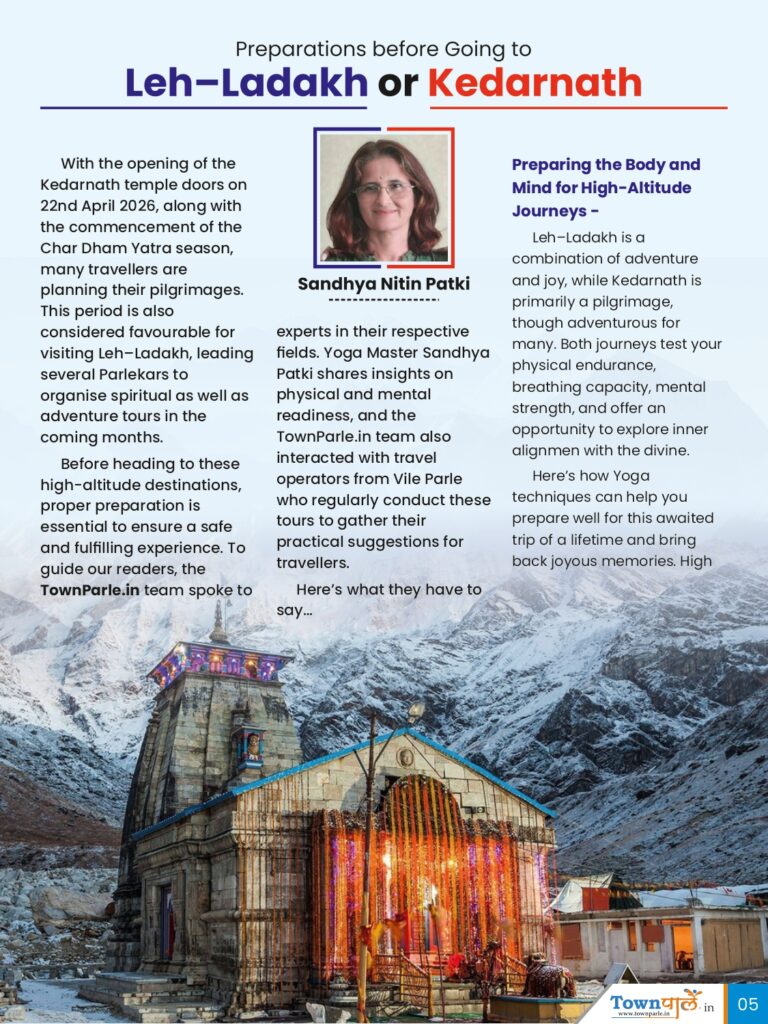
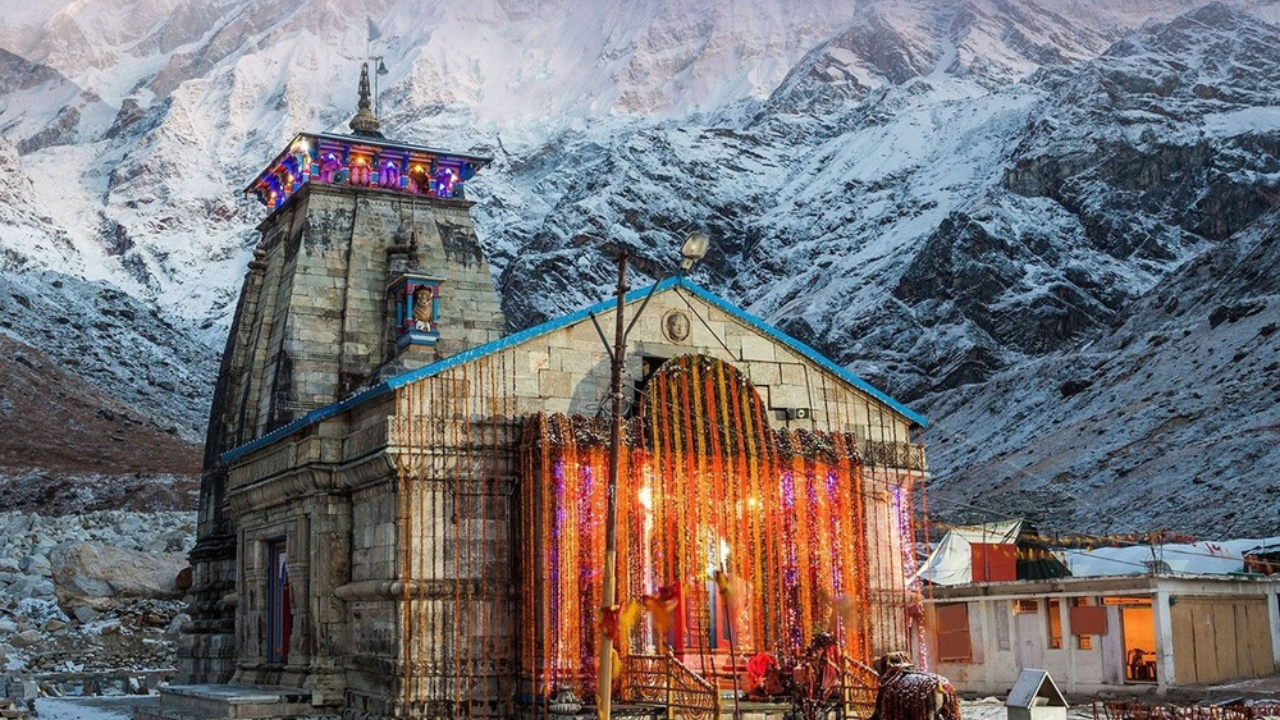
With the opening of the Kedarnath temple doors on 22nd April 2026, along with the commencement of the Char Dham Yatra season, many travellers are planning their pilgrimages. This period is also considered favourable for visiting Leh–Ladakh, leading several Parlekars to organise spiritual as well as adventure tours in the coming months.
Before heading to these high-altitude destinations, proper preparation is essential to ensure a safe and fulfilling experience. To guide our readers, the TownParle.in team spoke to experts in their respective fields. Yoga Master Sandhya Patki shares insights on physical and mental readiness, and the TownParle.in team also interacted with travel operators from Vile Parle who regularly conduct these tours to gather their practical suggestions for travellers.
Here’s what they have to say…
Preparing the Body and Mind for High-Altitude Journeys –
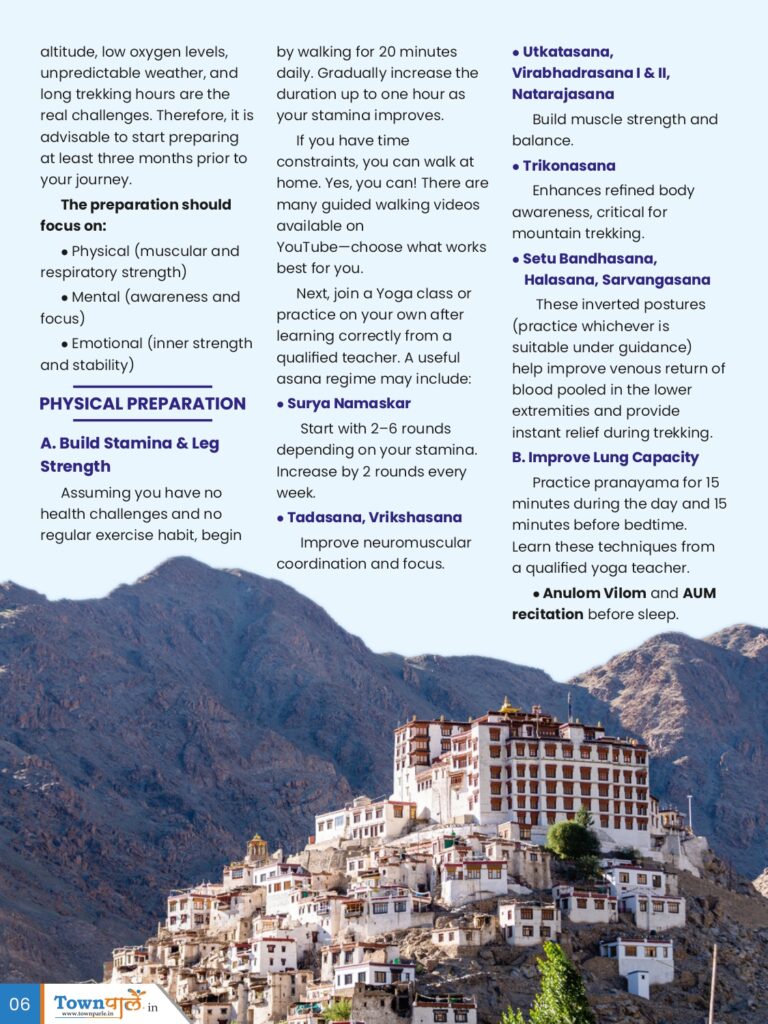
Leh–Ladakh is a combination of adventure and joy, while Kedarnath is primarily a pilgrimage, though adventurous for many. Both journeys test your physical endurance, breathing capacity, mental strength, and offer an opportunity to explore inner alignment with the divine.
Here’s how Yoga techniques can help you prepare well for this awaited trip of a lifetime and bring back joyous memories. High altitude, low oxygen levels, unpredictable weather, and long trekking hours are the real challenges. Therefore, it is advisable to start preparing at least three months prior to your journey.
The preparation should focus on:
- Physical (muscular and respiratory strength)
- Mental (awareness and focus)
- Emotional (inner strength and stability)
- Physical Preparation
- Build Stamina & Leg Strength
Assuming you have no health challenges and no regular exercise habit, begin by walking for 20 minutes daily. Gradually increase the duration up to one hour as your stamina improves.
If you have time constraints, you can walk at home. Yes, you can! There are many guided walking videos available on YouTube—choose what works best for you.
Next, join a Yoga class or practice on your own after learning correctly from a qualified teacher. A useful asana regime may include:
Surya Namaskar – Start with 2–6 rounds depending on your stamina. Increase by 2 rounds every week.
Tadasana, Vrikshasana – Improve neuromuscular coordination and focus.
Utkatasana, Virabhadrasana I & II, Natarajasana – Build muscle strength and balance.
Trikonasana – Enhances refined body awareness, critical for mountain trekking.
Setu Bandhasana, Halasana, Sarvangasana – These inverted postures (practice whichever is suitable under guidance) help improve venous return of blood pooled in the lower extremities and provide instant relief during trekking.Improve Lung Capacity
Practice pranayama for 15 minutes during the day and 15 minutes before bedtime. Learn these techniques from a qualified yoga teacher.
Anulom Vilom and AUM recitation before sleep.
Bhastrika and Ujjayi (heating pranayamas) during the day.
Supine diaphragmatic breathing at the end of your asana practice for at least 10 minutes daily. This is deeply relaxing for the heart and nervous system.
- Mental Preparation
Develop awareness of your body posture, breathing pattern, and surroundings. With regular asana practice, neural pathways strengthen and muscles learn to coordinate efficiently. You will notice improved balance on uneven terrain.
If you feel tired or breathless, do not hesitate to express it. Take necessary breaks and inform your group coordinator.
Remember: you are not on this journey to prove yourself, but to create a pleasant and memorable experience for yourself and others.
- Emotional Preparation
You are not alone, nor the only person facing this challenge. Many have successfully completed these treks. Read about their experiences, interact with seasoned trekkers, and mentally prepare yourself to be the best version required for this journey.
Yoga tools to support emotional readiness:
- Maintain a journal of your daily preparation.
- Practice Trataka (candle gazing) to calm and focus the mind.
Final Note
The scope of this article is confined to Yoga preparation and does not address medical preparation. If you have any health conditions, consult your physician and inform your yoga teacher to create a suitable regime tailored to your needs.
– Sandhya Nitin Patki
FOUNDER AND PRINCIPAL of NEW AGE YOGA INSTITUTE,
NAYI AYUSH certified Teacher Training school Vile Parle,
teaching yoga since 1994,at Hedgewar Maidan, Hanuman Road.
Travel Planning Guidance
The TownParle.in team interacted with travel operators who regularly conduct tours to Kedarnath, Char Dham, and Leh–Ladakh. They recommend the following checklist for a smooth and safe journey:
Before Departure:
Plan and confirm bookings well in advance (accommodation, transport, permits).
Keep valid ID proofs and required documents handy.
Undergo a basic health check-up if travelling to high altitudes.
What to Carry:
Adequate warm clothing (layered wear, thermals, gloves, caps).
Comfortable trekking shoes with good grip.
Personal medications and a small first-aid kit.
Reusable water bottle to stay hydrated.
During the Journey:
Allow time for proper acclimatisation.
Avoid overexertion on the first day at high altitude.
Stay hydrated and eat light, nutritious meals.
Follow instructions from local authorities and tour coordinators.
Proper planning and responsible travel practices can help ensure a safe, comfortable, and memorable experience.